
Are ring muscle ups for everyone?
The ring muscle up gets a reaction. Usually something like “I’ll never be able to do that.”
So are they for everyone? Well… the movement itself isn’t for everyone. But the training that builds it, is for almost anyone willing to show up and do the work.
What actually happens in a gymnastics session at PA?
Wednesdays at Principal Athletic in Nottingham, are our gymnastics focused session.
Right now, the block is centred around the ring muscle up and it’s usually one of the quieter sessions in the week. I suspect people imagine a whole session of people trying to throw themselves over the rings and many failed attempts.
What actually happens, is very different.
Everyone works at their own level:
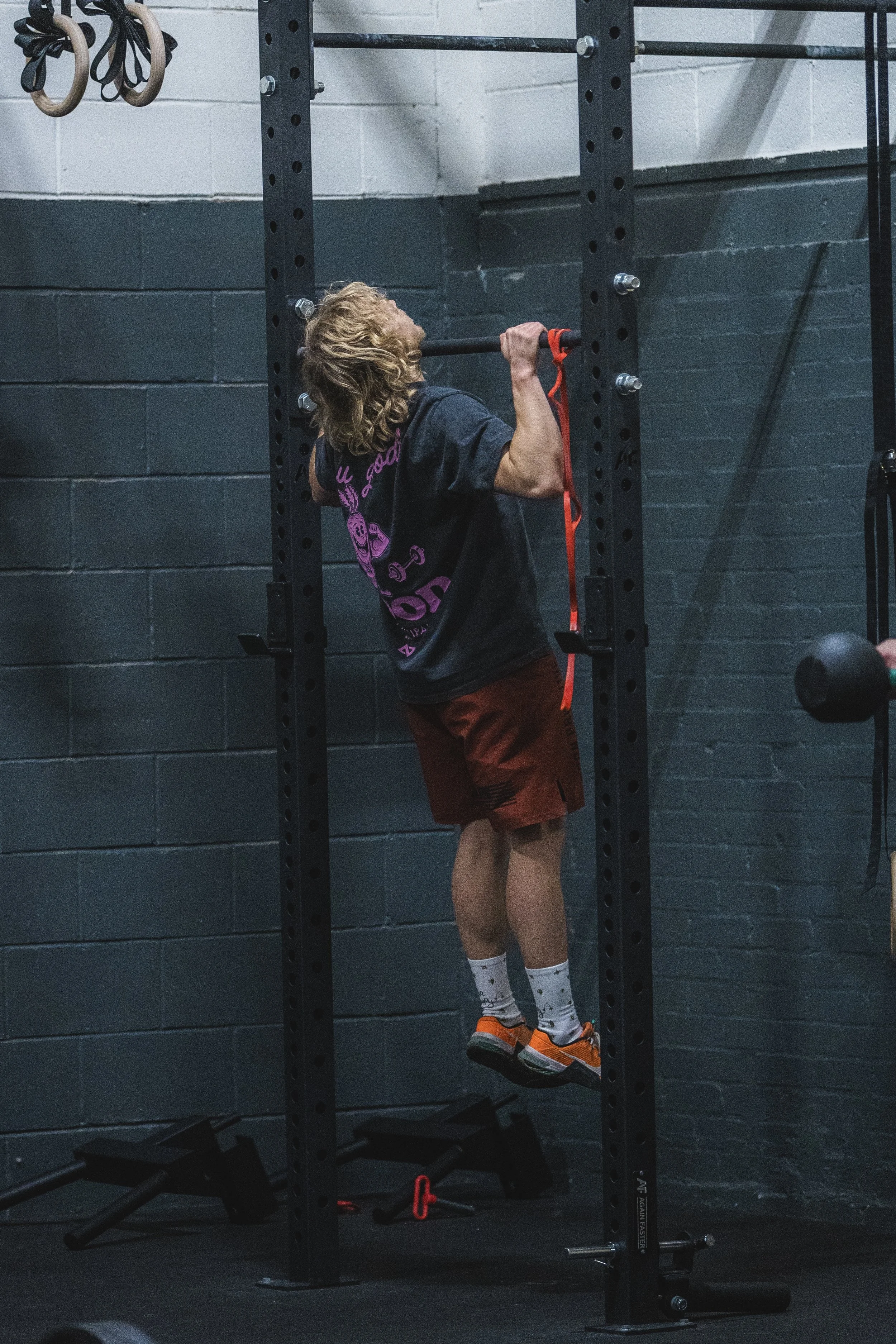
for some people that means building the foundations: pull ups, ring dips, shoulder stability like IYTs, learning to control your body on the rings
connecting the pieces: low ring transitions, hip drive timing, understanding how the kip fits together
refining the whole movement: building confidence to attempt the turnover, cleaning up the transition, building consistency, smoothing out the movement
Last week had people PBing their ring dip in the same session as someone getting consistency in completing the full movement. Both left the session having made progress that mattered to them.
Why this work transfers
Even if you never do a ring muscle up, the work inside that session still carries over to almost everything else we do in the gym:
stronger pull ups and toes to bar
better overhead stability for the Olympic lifts
more control in any movement requiring coordination through the hips
The muscle up is just the destination. The route we take is all of the foundational strength & skill work that sits underneath it.
Gymnastics training at Principal Athletic
That’s exactly what our Wednesday sessions at Principal Athletic in Nottingham focus on: building the strength and control behind movements like pull ups, ring dips and eventually, the ring muscle up.
You don’t need to want a ring muscle up to benefit from this work.
You just need to be willing to work on the pieces.